Creative Economy 2024: Where Is the World Headed?
Creative Industries and CommunitiesOnce associated mainly with culture and the arts, the creative industries have now become one of the most dynamic forces of the global economy. From film to gaming, design to software, this vast ecosystem is increasingly recognized as a key driver of growth, employment, and innovation. The UNCTAD Creative Economy Outlook 2024 offers a data-based snapshot of this ongoing transformation.
According to the report, creative industries contribute between 0.5% and 7.3% to national GDPs and represent between 0.5% and 12.5% of total employment. Digital creative services such as film, software, gaming, and media exports have shown remarkable growth in recent years. These figures reveal that the creative economy is no longer a peripheral field — it has become a strategic dimension of both economic competitiveness and cultural identity.
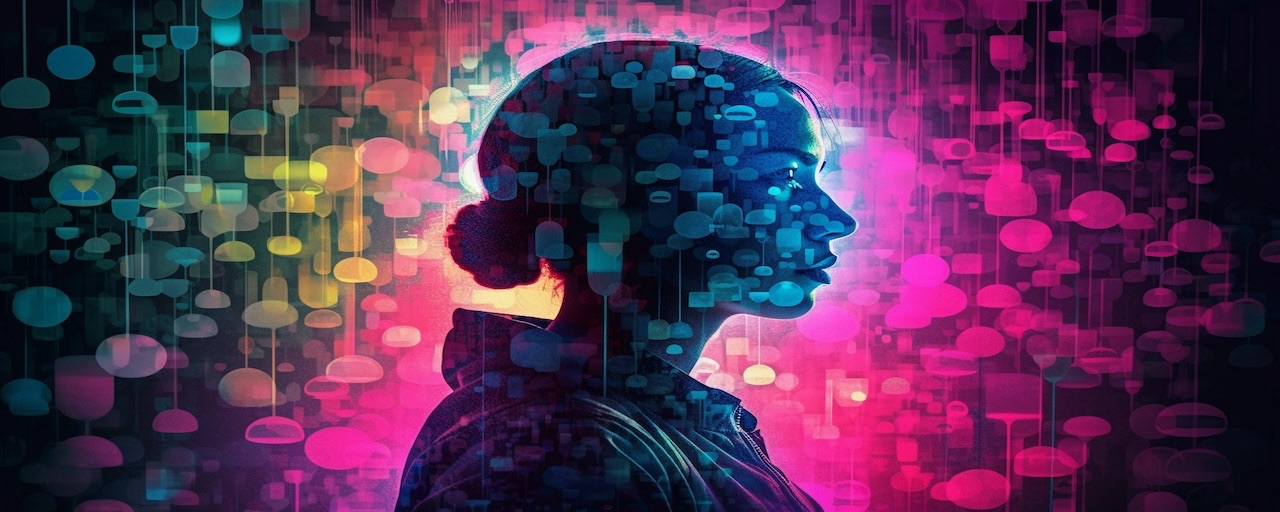
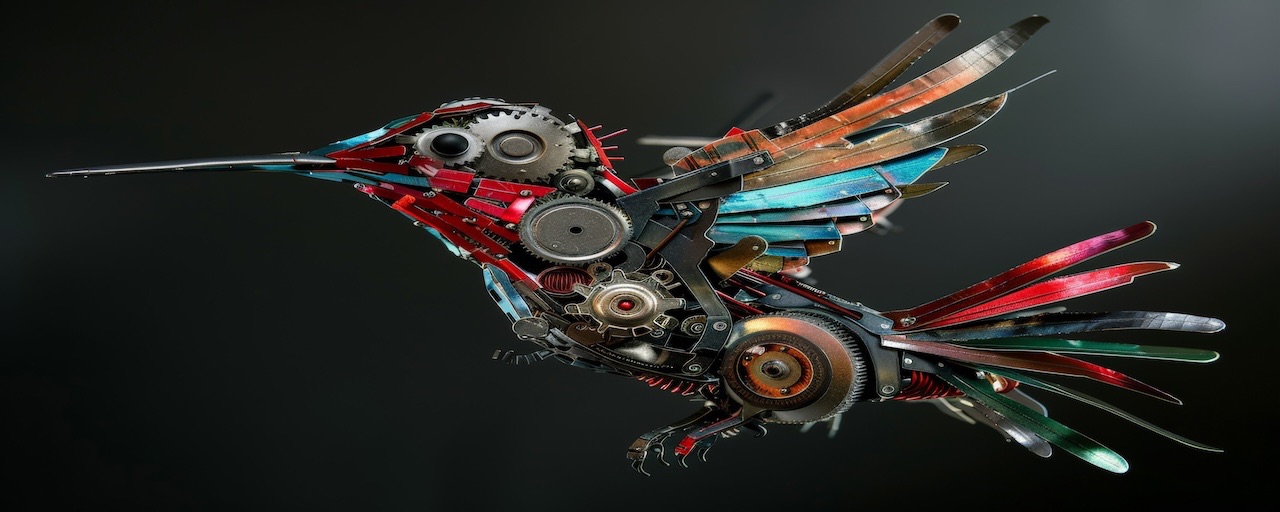
Several major dynamics are shaping this evolution. Artificial intelligence is transforming artistic creation, design, and content production, generating new possibilities while reshaping traditional creative roles. Sustainability has become an essential value across fashion, architecture, and design, pushing industries to adopt eco-conscious approaches. At the same time, inclusivity is giving rise to new voices — from women entrepreneurs to young designers and local communities — enriching the sector both economically and socially.
However, the growth of the creative economy also brings challenges. The rise of digital platforms has made copyright and ownership more complex, while a few major tech companies dominate global revenue flows. Small-scale creative entrepreneurs still face obstacles in accessing international markets and funding mechanisms, highlighting the need for more inclusive and diversified support systems.
In Türkiye, the creative industries have been gaining more visibility in recent years, especially in design, gastronomy, digital media, and gaming. Cities like İzmir, with their strong cultural heritage and interdisciplinary potential, offer fertile ground for further development. Strengthening digital transformation support for small creative ventures, fostering collaboration between universities, artists, and the private sector, and promoting projects that blend culture, design, and innovation could contribute to the city’s creative growth.
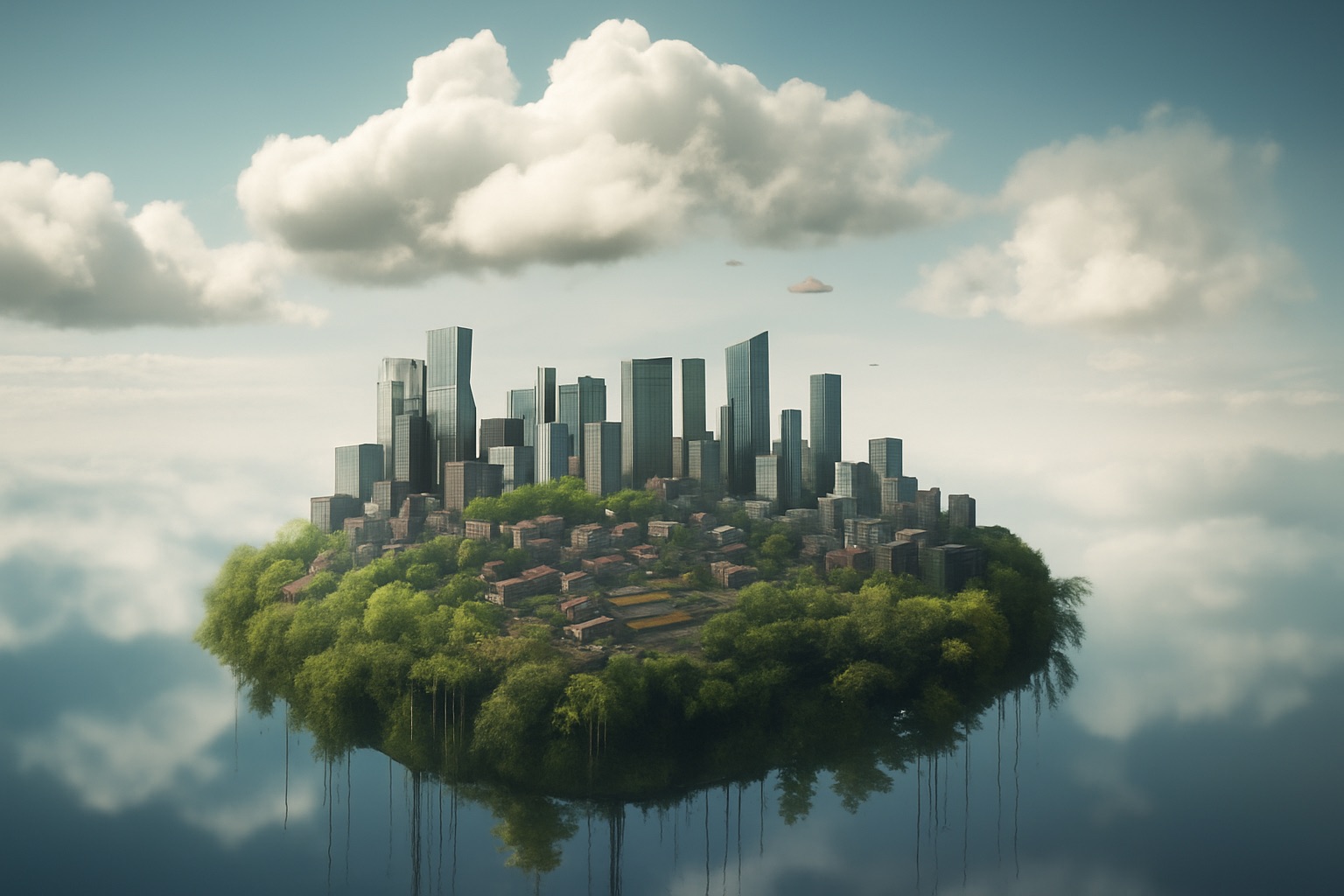
Ultimately, the creative economy is not just about art or aesthetics — it represents a broader intersection of culture, innovation, and sustainable development. Embracing this shift and nurturing local creativity through a global lens may open up new opportunities for communities and economies alike.
Source: UNCTAD Creative Economy Outlook 2024